
-
Engaging Students in Diabetic Kidney Disease: An Interactive Inquiry Approach [NIH R25]
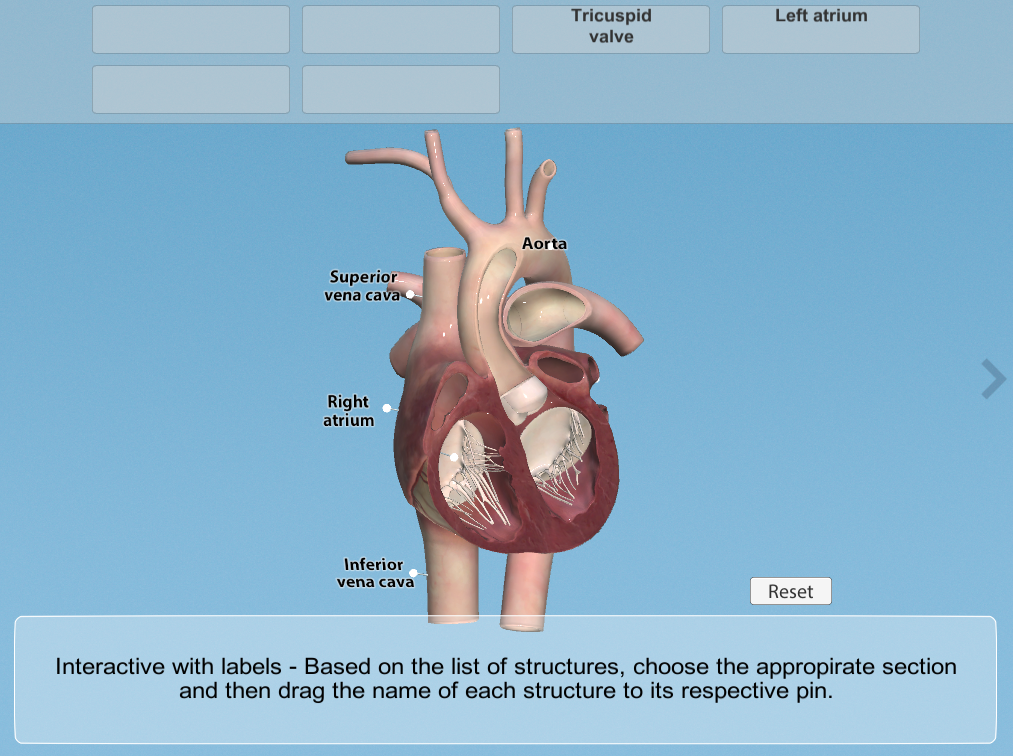
The NIDDK plays a crucial role in efforts to meet this need by fostering and supporting innovative basic and applied research projects. However, converging lines of evidence indicate that NIDDK’s future success will be limited by the paucity of students entering careers in biomedical research. Many of today’s students who enter college interested in a career in biomedical research change career paths, in part due to poor learning experiences. Consequently, there is an urgent need for innovative curricular materials that help students understand the fundamental importance of the scientific method and its application to biomedical research. In this project, we will develop scaffolded, inquiry-based teaching materials that will engage today’s technology-savvy undergraduate students, cultivate scientific habits of mind, and encourage students to consider careers in biomedical research. In doing so, we will contribute to NIDDK's core mission by producing high-quality curricular materials that will improve student appreciation of the role of biomedical research in combating kidney disease and diabetes mellitus.
Project scope: In this project, we are developing integrative curricular materials and scaffolded, inquiry-based case studies using visually-compelling interactive virtual environments. To maximize the impact of these curricular materials, we have chosen two topics: 1) renal and systemic hemodynamics and 2) glucose homeostasis. These topics not only provide excellent opportunities for students to explore the fundamental aspects of kidney function in health and diabetes, but they also reflect NIDDK priority areas and global health concerns. Our clinical and research case studies will allow students to identify the links between type II diabetes and kidney disease. Our overall approach will provide a unique avenue for students to sequentially explore the physiology, pathophysiology, and research approaches to understanding these links. -
Mixed Reality Simulations for Fluid Mechanics Education
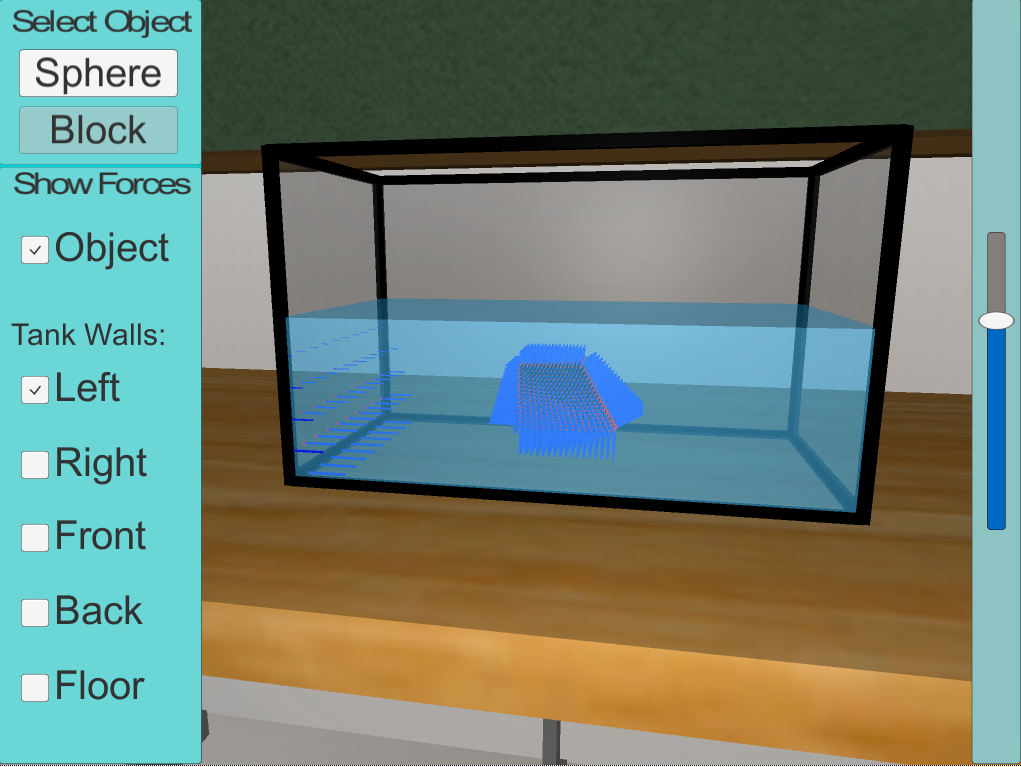
This project aims to better present fluid mechanics concepts through a combination of virtual and augmented reality simulations and experiences.
-
Communication Skills Training in Pediatrics Education
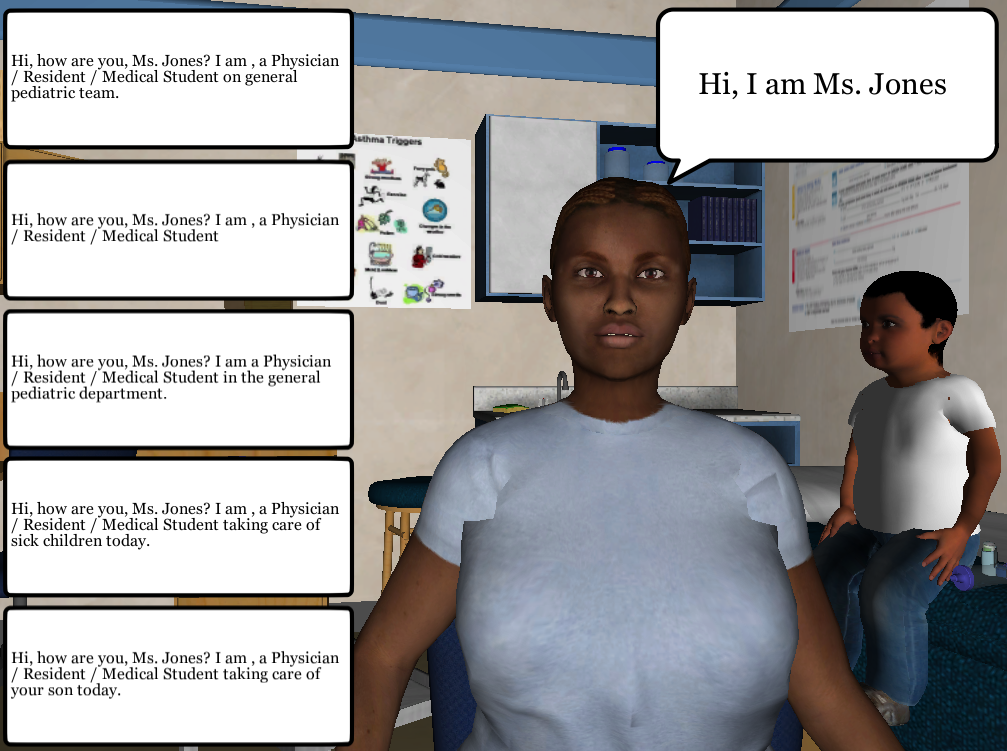
This project aims to improve information transfer between patient and provider by providing innovative virtual experiences for each. Current simulations include virtual patients for health provider training and interactive patient training tools that patients and their families can use during physician visits.
-
Project AWARE: Animated Wormsloe Augmented Reality Experience

This project is studying historical reasoning processes that are stimulated by augmented reality technology at the National Historic Site of Wormsloe, the oldest continuously occupied tract of land in the United States. The application includes mapping, text and video information, panoramas of locations on site, and augmented reality tours.
-
Mixed Reality Virtual Pet Experiences for Health Promotion
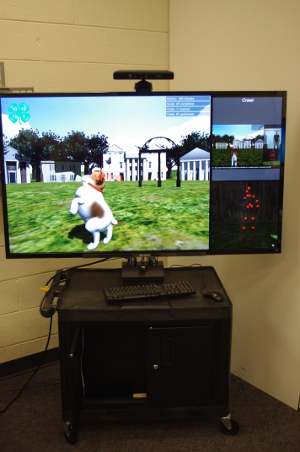
This project aims to leverage the natural inclination of children to enjoy interacting with animals to achieve health goals, such as obesity and diabetes prevention and treatment. By tying the health of a virtual animal to a child's own activity, children may become intrinsically motivated to achieve better personal heath. This project is actively researching novel ways to both sense and record children's activity, as well as novel interaction methods to interact with the virtual pets.
Currently, we have developed a portable kiosk-based system that allows children to wear activity monitors that are individually tied to a virtual pet. By plugging in the activity monitor to a large-screen kiosk, the child can interact with the virtual pet through speech and gesture. The child can also work towards meeting goals and reaching an overall higher level of physical fitness. -
Radiograph Annotation Teaching and Assessment in Veterinary Education
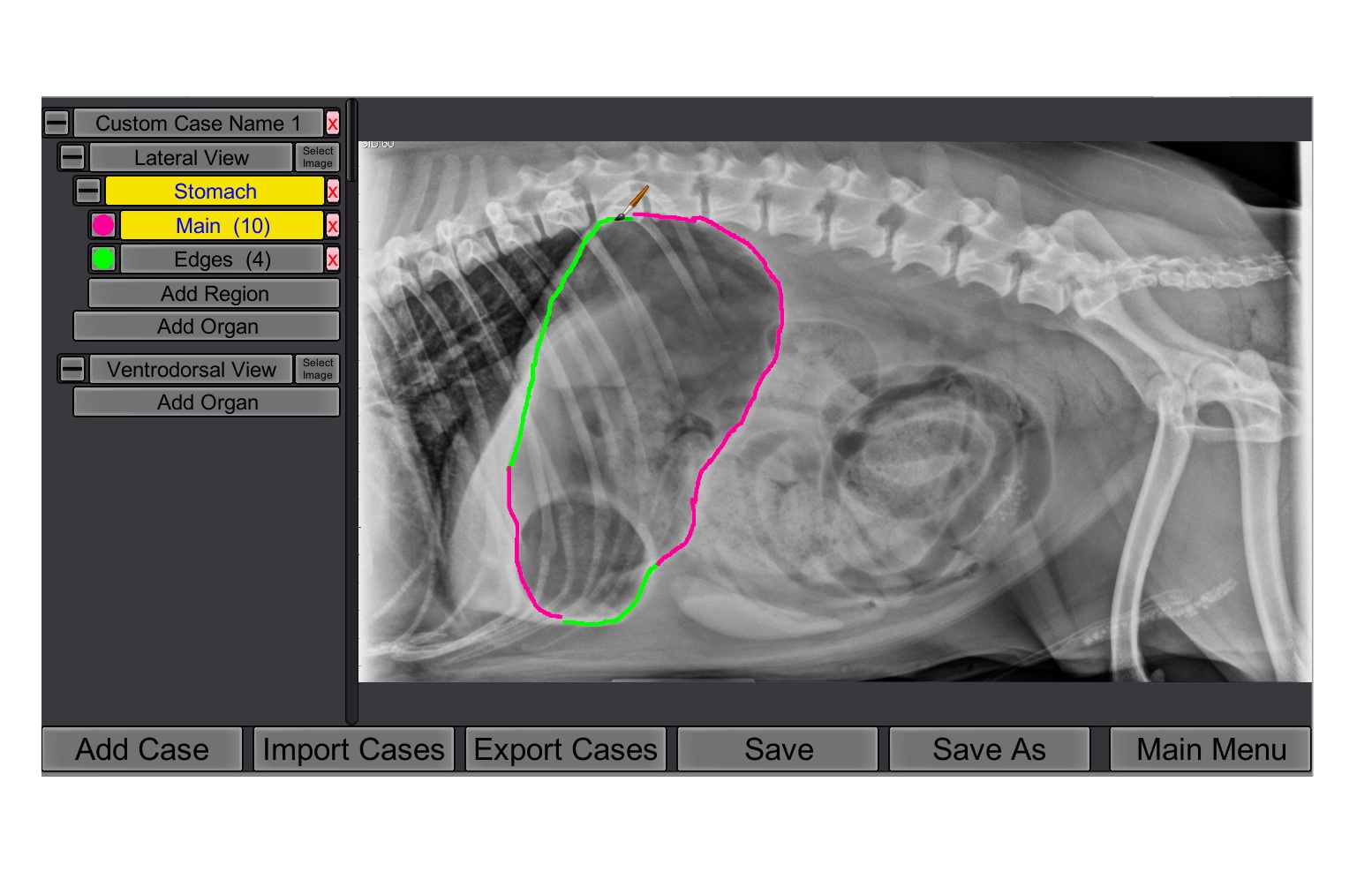
The purpose of the radiology project is meant to help both the students and the radiology professors. The program provides automatic grading and in-depth feedback generation for students’ tracings of radiographs, which reduces the time that teachers must spend in class going over tests (instead of teaching more material), gives students more detailed feedback than is practical with manual grading, and enables students to take practice tests and receive immediate feedback. Additionally, the program has an authoring interface, which allows teachers to create and modify detailed answer keys.
-
Virtual Surveying for Engineering Education
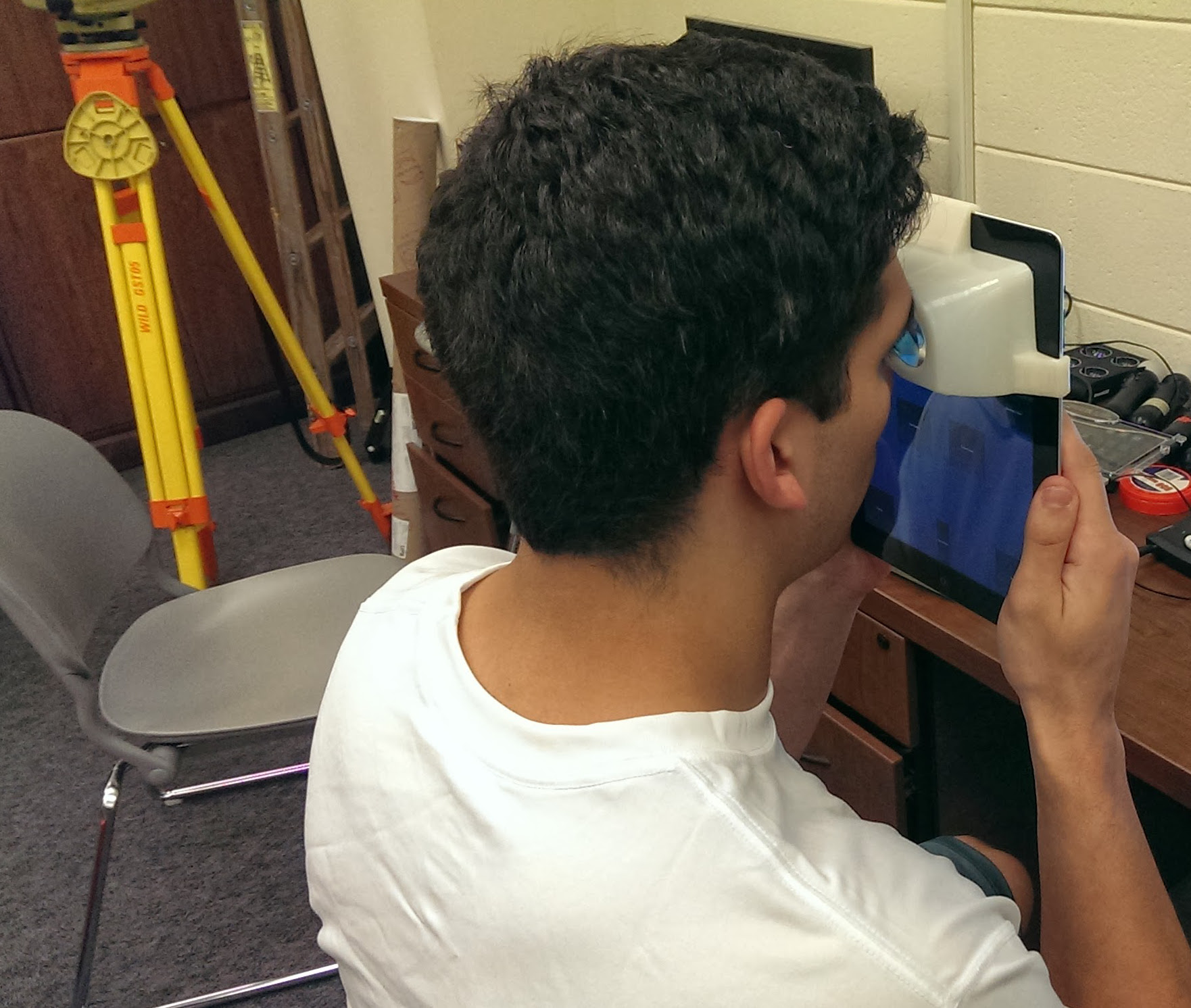
The Survey Tool Emulation (STE) application aims to increase the effectiveness of courses related to land surveying. By using the STE app with an iPad, we are able to educate the user in a realistic environment with realistic tools where training to use a land survey tool can be a structured, moderated and easily repeatable experience. Consequently, the benefits of virtualizing training should lead to reduced training time, reduced costs (i.e. device purchases), and a reduced workload on the professor and/or training supervisor.
-
Smart Recycling Bin
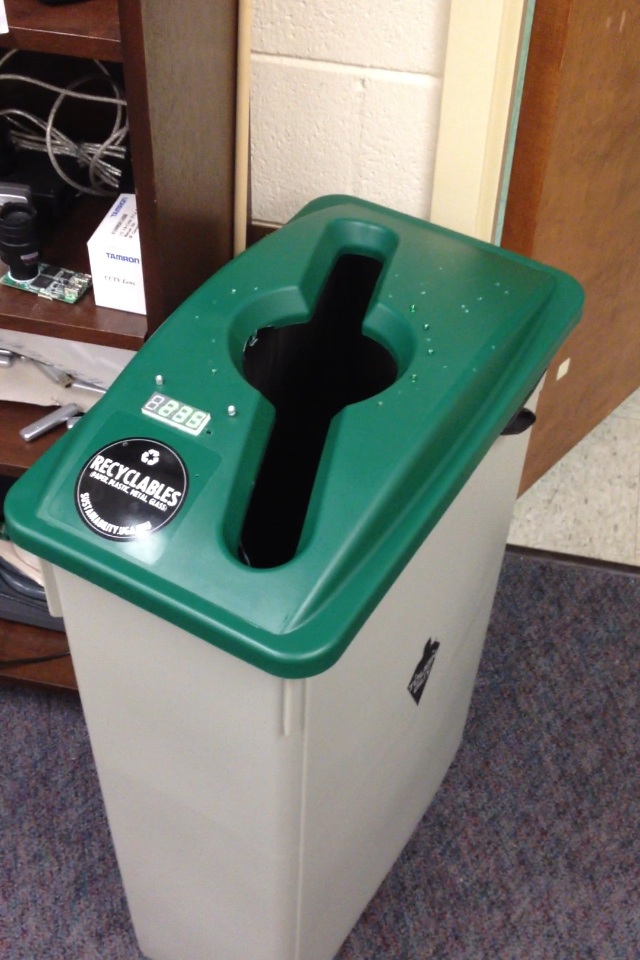
The UGA Smart Bin Project focuses on the development of a technological platform to assist and improve recycling. The system is composed of low cost embedded devices, deployed on the lid of standard recycle bins, and a management information system.
The smart recycling bin uses sensors to detect items and bin loading level, providing feedback through leds and speakers, counting the recycled items, and transmitting data in real time to the internet for visualization and analysis. The motivation behind the smart recycling bins is not just using technology to make recycling easier, but provide tools that engage people to recycle more. -
Citizen Science Apps for the Public Good: Marine Debris Tracker and WeRecycle
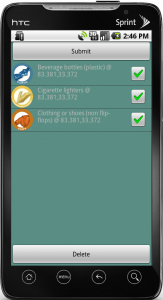
The goal of this project is to enable and motivate ordinary citizens to participate in environmental monitoring and cleanup efforts. In the past, this has been challenging, as the necessary data gathering instruments are not available to the general public. With the increasing ubiquity of advanced mobile sensing and interaction technology, billions of people worldwide have the potential to be directly involved in world-wide scale environmental monitory efforts. Currently, we are focusing on marine debris and recycling applications. Mobile “apps” are currently being developed and deployed that are freely downloadable to millions of end-users that have Apple iOS and Google Android devices that have GPS sensors. These users are uploading data that is being processed and presented on our UGA engineering website, providing environmental engineering researchers with a novel data source collected without the high costs of organized efforts. Challenges in this project include mobile application interface design, integrating mobile and traditional internet formats, and motivating users to participate through incentivized involvement.
-
Ubiquitous Collaborative Activity Virtual Environments (UCAVEs)
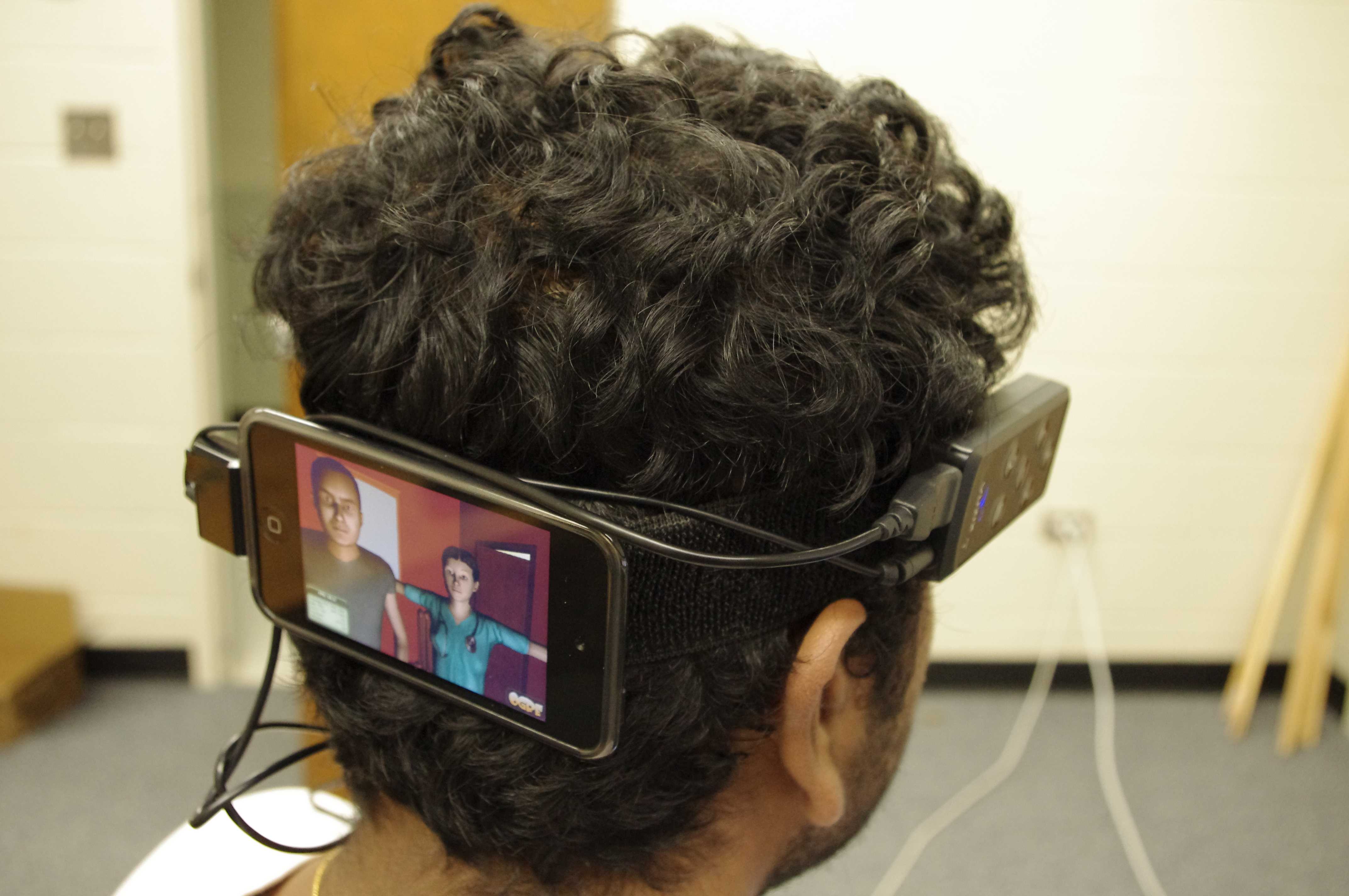
The emergence of low-cost high quality displays and computers from the mobile phone industry and motion-tracking game controllers from the entertainment industry has greatly lowered the cost of virtual reality. Historically, the high cost of virtual reality steared it towards simulators for high-risk/high-reward situations for the elite few. Now, a new democratized virtual reality is emerging, i.e virtual reality for the masses, alongside a new generation of entertainment, productivity, education, and training applications that are free from the cost-benefit equations that have restricted the past four decades of virtual reality research and development.
Our lab is actively designing, protyping, and experimenting with immersive VR systems, seeking the optimal blend of affordability, portability, and ease-of-use for mass-market applications. Though the challenges in this space remain considerable (e.g. simulator sickness), we have successfully created fully immersive virtual reality systems that can be taken anywhere, anytime. Users can be immersed inside of virtual worlds within a few moments, while standing in their own real spaces.
With these systems, we are actively studying the basic science of unfettered VR, which is notably distinct from past research in terms of environment, population, and the encumbrance of the VR equipment (weight, wires). We are also innovating in the serious-games for education space, which may yield the killer-apps of democratized VR. -
The Neurological Examination Rehearsal Virtual Environment (NERVE) [NIH R01]
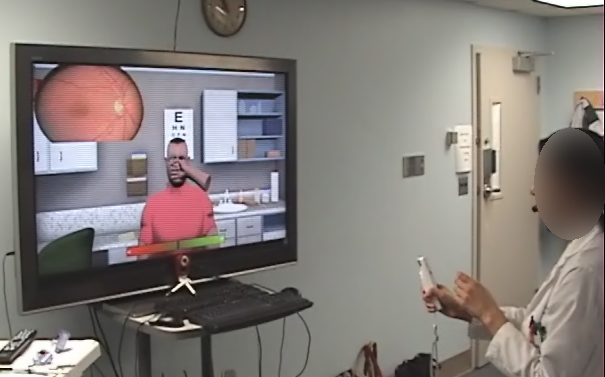
The goal of this project is to improve the training of Neurological Examination procedures by providing interactive virtual patient exposures that can demonstrate patient abnormalities. A significant percentage of neurological abnormalities are haphazardly encountered in medical practice, particularly in medical education settings, owing to the relative infrequency and typical severity of neurological problems. This makes exposure during medical school infrequent, if at all. While medical students are taught the procedure of performing a neurological examination, they do not work with patients with abnormal findings, and can only be evaluated on their diagnostic skills through multiple-choice style questions that only poorly correlate to their ability to recognize and diagnose disorders. We aim to change this by engineering customizable interactive virtual patient simulations that can allows for practice and feedback in performing neurological examinations of patients with abnormal findings. Students will be provided with a suite of simulated neurological examination tools, from ophthalmoscopes to reflex hammers, that enable neurological systems to be tested and symptoms discovered. Challenges in this project include creating biomechanical models of human neuro-muscular systems, determining the fidelity of the simulation and of the examination tools that is necessary to improve skill, and to develop learning modules that effectively leverage the new technology.
The project was started by Benjamin Lok and Juan Cendan during 2007 at the University of Florida with funding from the NIH National Library of Medicine R03 grant to study abnormal findings with virtual human patients. Following successful preliminary experiments, an R01 grant is now underway to explore advancements to the NERVE and integrate it into a simulated curriculum.